
Bumblebee Hive
Pollination Questions
Get to know more about Bee Hive Pollination with our FAQs
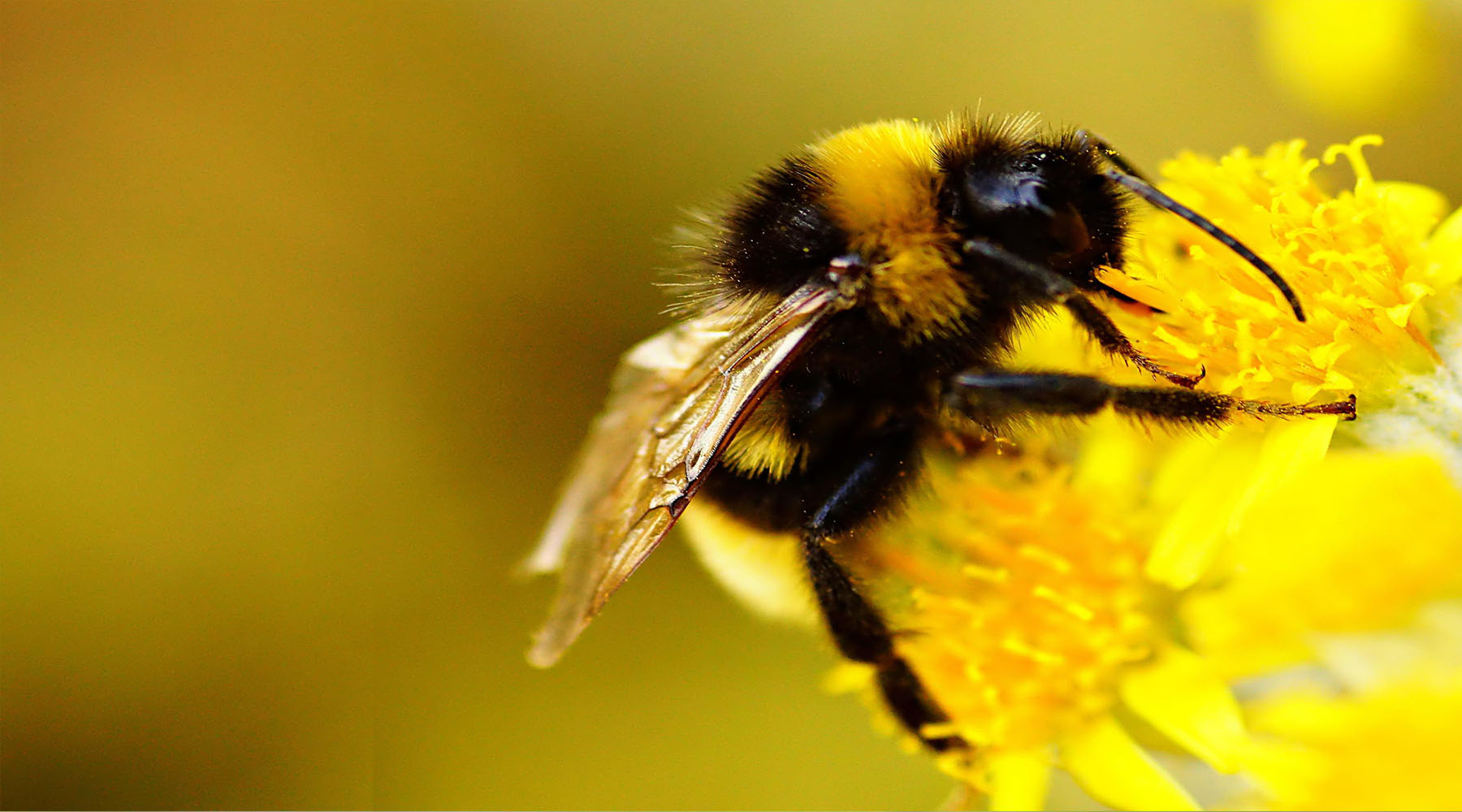
Bumblebee hives are widely used for crop pollination in greenhouse and protected cropping systems. Growers often have questions about how bumblebee pollination works, when hives should be introduced and how colonies are managed within crops.
See our bumblebee hive FAQs below to understand more on crop pollination support, how colonies behave in greenhouse environments and how growers can use them effectively.
About Bumblebee Hives
What is a bumblebee hive?
A bumblebee hive is a managed colony containing a queen and worker bumblebees. These colonies are introduced into crops to provide reliable pollination during the flowering period.
Bumblebees naturally visit flowers to collect pollen and nectar. During this process pollen is transferred between flowers, enabling fertilisation and fruit development.
How long does a bumblebee hive last?
A managed bumblebee hive typically remains active for four to six weeks, depending on environmental conditions and crop activity.
During this period the worker bees forage continuously within the crop, providing pollination throughout the flowering cycle.
Do bumblebee hives require maintenance?
Bumblebee hives used for crop pollination are designed to be self-contained colonies that require very little maintenance.
The hive contains a queen and worker bees, along with a supply of sugar solution that supports the colony when natural pollen or nectar is limited. Once the hive is placed in the crop and opened, the bumblebees begin foraging naturally within the crop.
Pollination & Performance
Why are bumblebees effective pollinators?
In comparison with other pollinating insects such as honeybees, bumblebees are highly effective pollinators. They are fast workers and can visit roughly twice as many flowers per minute as honeybees.
Because of their larger size, bumblebees can carry heavier pollen loads and often forage for longer periods of time. Their size also allows better contact with the stamens and pistils of flowers, improving pollen transfer and fertilisation.
Bumblebees also perform buzz pollination, where their vibration within the flower releases pollen from the anthers. This behaviour makes them particularly effective for crops such as tomatoes, capsicums, eggplant and berries.
What is buzz pollination?
Bumblebees pollinate flowers using a technique known as buzz pollination. During this process, the bumblebee grips the flower and its anthers and then vibrates its flight muscles without moving its wings. This vibration shakes pollen loose from the anthers so it can fall onto the stigma of the flower.
Buzz pollination allows a bumblebee to effectively pollinate a flower in a single visit. In comparison, honeybees often need to visit the same flower seven to ten times before sufficient pollen transfer occurs.
This behaviour makes bumblebees particularly effective pollinators for crops such as tomatoes, capsicums, eggplant and blueberries, where pollen is tightly held within the flower.
Do bumblebees work in cold or low-light conditions?
Bumblebees remain active in conditions where other pollinating insects may stop working. They can forage in lower temperatures and lower light levels, making them well suited to greenhouse crops and early-season flowering.
They can also continue working in cloudy conditions, light wind and light drizzle, which helps maintain pollination even when environmental conditions are less favourable.
Crops & Applications
What crops benefit from bumblebee pollination?
Bumblebee hives are widely used to pollinate a variety of crops grown in greenhouses and outdoor production systems.
Common crops that benefit from bumblebee pollination include:
- tomatoes
- capsicums (sweet peppers)
- strawberries
- cucumbers
- courgettes
- eggplant
In these crops, reliable pollination supports consistent fruit set, improved fruit quality and more uniform crop development.
Why are bumblebees well suited to greenhouse crops?
Bumblebees make relatively few demands on the conditions under which they work. Unlike honeybees, they are comfortable working in greenhouses, tunnels and other restricted environments.
They remain active in lower temperatures and lower light levels, and are less affected by wind, cloud cover or light drizzle. This makes them well suited to protected cropping systems where environmental conditions can vary.
Placement & Behaviour
Do bumblebees stay in the crop they are placed in?
Unlike honeybees, bumblebees lack the complex communication system used by honeybees to direct other workers to new food sources. This means that if an individual bumblebee finds flowers outside the crop, it cannot communicate this information to the rest of the colony.
As a result, bumblebees are less likely to abandon the crop in search of alternative flowers, making them reliable pollinators in greenhouse and protected cropping systems.
How far do bumblebees travel from the hive?
Bumblebees typically forage within a 100–200 metre radius of the hive. This means they tend to remain within the crop where the hive has been placed.
Because their foraging range is relatively limited, growers can place hives strategically within the crop to ensure pollination activity is concentrated where it is needed.
Where should a bumblebee hive be placed?
Bumblebee hives should be placed in a stable position within the crop where bees can easily access flowers. Hives are typically positioned slightly above ground level and protected from excessive heat or direct sunlight.
It is recommended that hives place outside of greenhouse conditions be provided with some shelter from the rain.
Correct hive placement helps maintain colony activity and supports effective pollination.
Setup & Usage
How many bumblebee hives are needed for pollination?
The number of hives required depends on several factors including crop type, greenhouse size and the intensity of flowering.
Some crops require several colonies per hectare, while smaller greenhouse areas may only require a single hive. Colonies are often introduced when flowering begins and additional hives may be added during the crop cycle to maintain pollination activity.
When should a bumblebee hive be introduced?
Bumblebee colonies are usually introduced when the first flowers begin to open. Introducing hives at this stage ensures pollination activity is present from the beginning of the flowering period.
Maintaining active colonies throughout flowering helps ensure consistent pollination across the crop.
Can bumblebee hives be moved within a crop?
Yes. Bumblebee hives can be closed temporarily and moved if required. This may be necessary when crop protection treatments are applied or when pollination is needed in another flowering crop.
Our hives include a slider door system that allows growers to control the movement of bees in and out of the hive.
Safety & Handling
Are bumblebee hives safe to use around people?
Bumblebees are generally non-aggressive insects and will only sting if they feel threatened or the hive is disturbed. In greenhouse cropping systems they typically focus on collecting pollen and nectar from flowers and rarely interact with workers.
Because of their calm behaviour, bumblebee hives can be safely used in commercial greenhouses, tunnels and protected cropping systems when handled correctly.
Pollinate & Protect
Ready to improve your pollination? Order online for overnight delivery across New Zealand, or get in touch with our team.