
Why Bumblebee Pollination?
For those new to Bumblebee Pollination
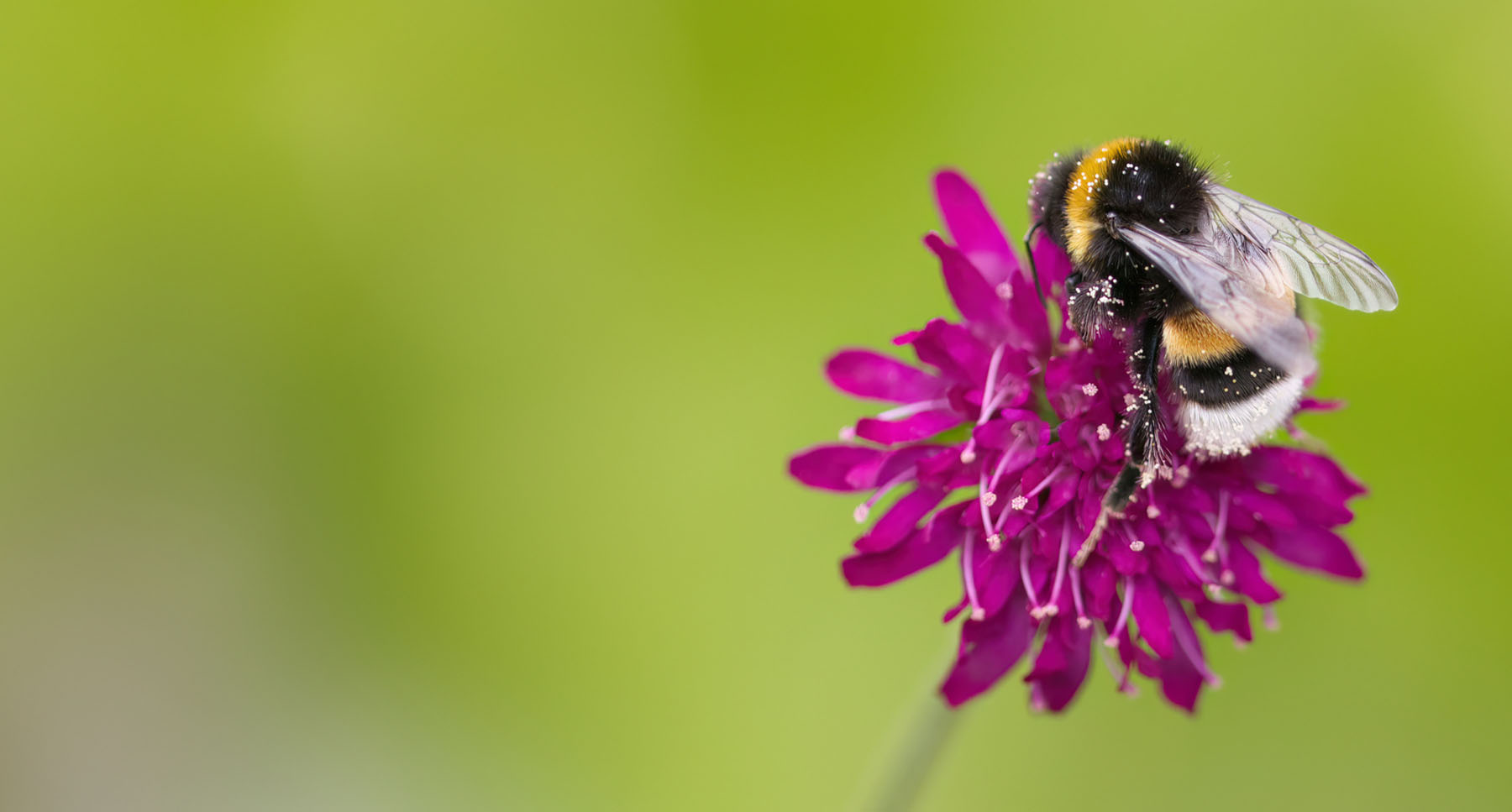
Whether you’re growing in a backyard garden or a commercial greenhouse, successful pollination directly impacts fruit set, yield and crop quality. Bumblebee hives provide a reliable, natural solution — especially in protected cropping systems where wild pollinators are limited.
What Is Pollination?
Pollination is the process that allows a flower to develop into fruit.
For fruit and vegetables to form, pollen must move from the stamen (male) to the stigma (female). When this happens successfully, fertilisation occurs and the flower begins to develop into fruit.
Bumblebees are one of the most effective pollinators for many common crops. As they move from flower to flower gathering nectar and pollen, they transfer pollen between flowers, triggering fruit development.
Without Effective Pollination
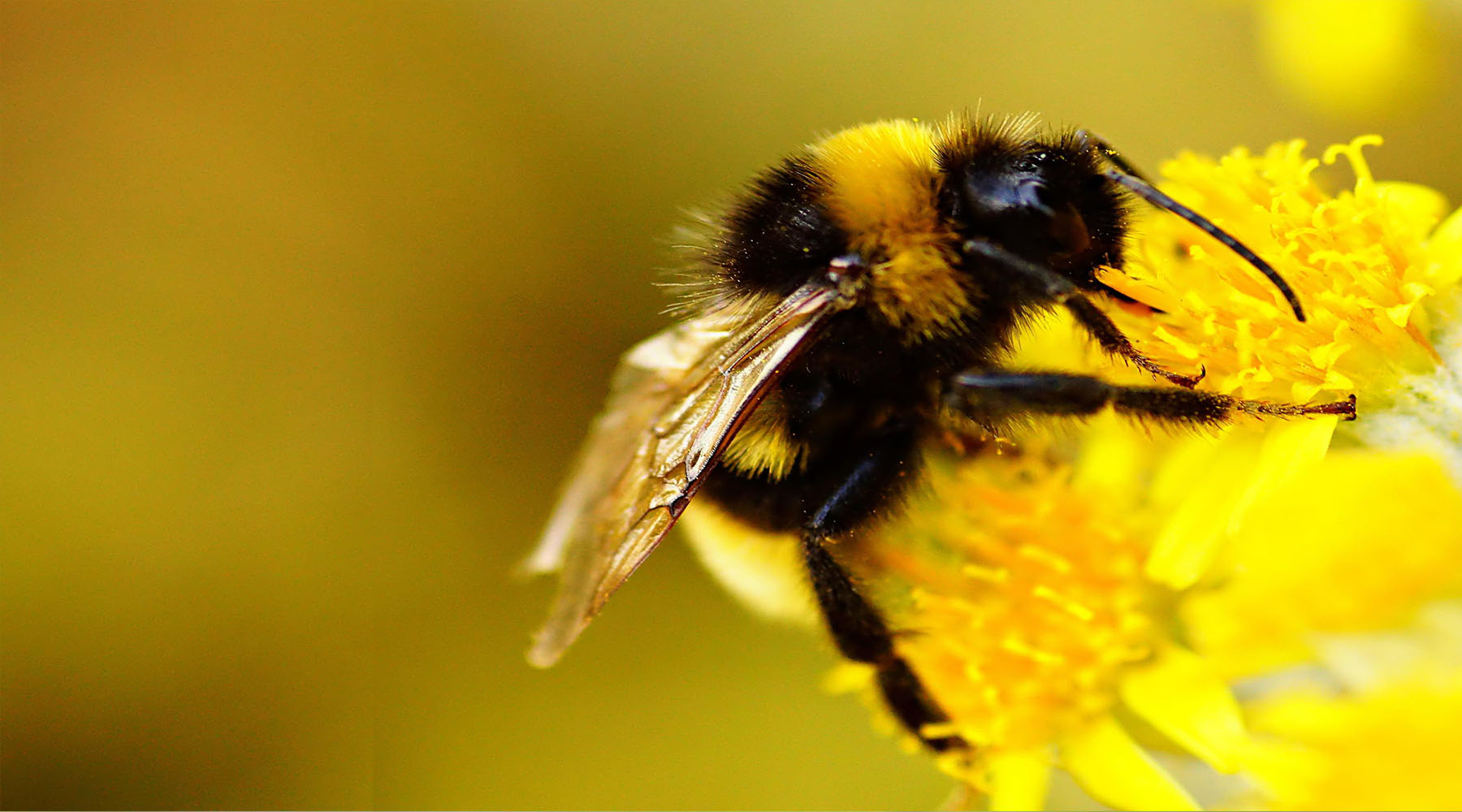
In outdoor gardens and commercial crops, poor pollination is one of the most common and most overlooked causes of disappointing harvests. When pollination is insufficient, crops may experience:
- Flowers dropping before fruit forms
- Fruit that is small or misshapen
- Reduced yields and fewer fruit per plant
- Uneven ripening across the crop
- Hollow or seedy fruit with poor eating quality
These outcomes directly affect crop income, harvest quality and the time spent sorting and grading produce. In many cases, the root cause is simple: not enough pollinators visiting the crop at the right time.
Why Pollination Fails
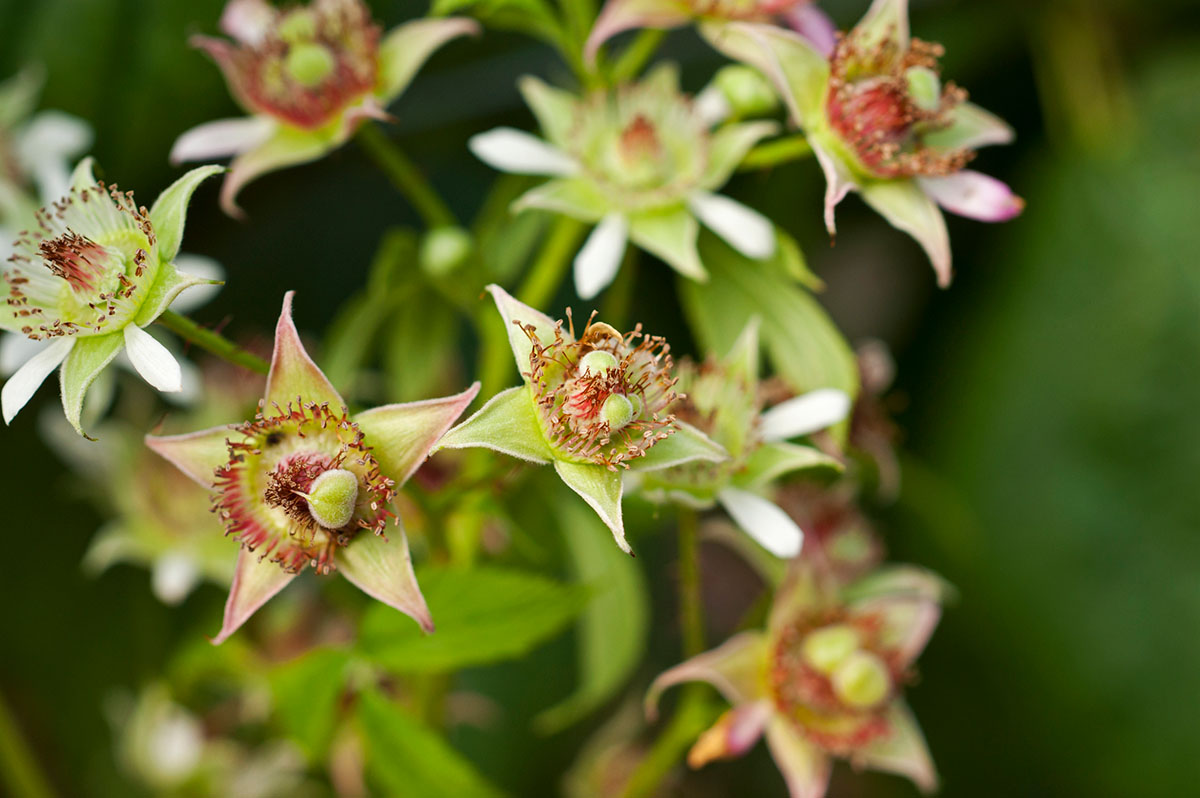
New Zealand’s natural pollinator populations have declined significantly over recent decades. The widespread use of broad-spectrum insecticides has reduced wild bee numbers, and the arrival of the Varroa mite has made honeybee management more difficult and expensive.
In greenhouse and covered growing environments, the problem is more acute. Natural pollinators simply cannot access protected crops — leaving growers entirely dependent on managed pollination.
Even in open-field situations, natural pollinator activity is often unreliable. Factors like cool or wet weather, strong winds, the timing of flowering, and the proximity of other attractive plants can all reduce the number of pollinator visits your crop receives.
The result: growers and home gardeners across New Zealand are seeing smaller fruit, lower yields, and more unmarketable produce — often without realising that pollination is the problem.
Why Commercial Growers Choose Bumblebees
For New Zealand horticulturalists, bumblebee hives have become the go-to pollination solution for greenhouse crops such as tomatoes, capsicum, eggplant, courgettes, and outdoor crops like kiwifruit, blueberries, and stonefruit.
Here’s why growers rely on Zonda bumblebee hives:
- Each bumblebee transfers more pollen to the stigma than other pollinators, producing better fruit formation and a higher percentage of Class 1 fruit at harvest.
- Bumblebees visit more flowers per hour than honeybees, providing intensive, efficient pollination across the crop canopy.
- They work in low temperatures, light rain, wind and heavy cloud — flying at temperatures as low as 8°C when honeybees stay in the hive.
- Bumblebees work reliably under netting and in plastic tunnels — situations where other pollinators often fail to operate.
- They work well alongside honeybees, complementing rather than competing with existing pollination strategies.
- The use of bumblebee hives means significant labour savings compared with artificial pollination techniques — and fewer misshapen fruits reduces sorting time at harvest.
- Bumblebees travel only 100–200 metres from the hive, so they stay within the crop and focus their effort where it’s needed.
- They are rarely aggressive, making them safe to work around for staff and seasonal workers.

Why Home Gardeners Choose Bumblebees
You don’t need a commercial greenhouse to benefit from a bumblebee hive. Many New Zealand home gardeners are discovering that a Zonda Home Garden Hive makes a real difference — especially in urban and suburban backyards where natural pollinator numbers are lower.
Gardeners choose Zonda bumblebee hives because:
- More flowers set fruit — especially on tomatoes, courgettes, cucumbers, strawberries and blueberries.
- Fruit is larger, better shaped, and more consistent across the plant.
- Bumblebees are calm and docile — safe around children, pets, and anyone spending time in the garden.
- The hive is fully self-contained and requires zero maintenance once placed in the garden.
- It’s genuinely fascinating to watch — many gardeners simply enjoy having bumblebees active in their backyard.
- Results are noticeable within the first week of placing the hive.
What Makes Bumblebees So Effective?
Buzz Pollination.
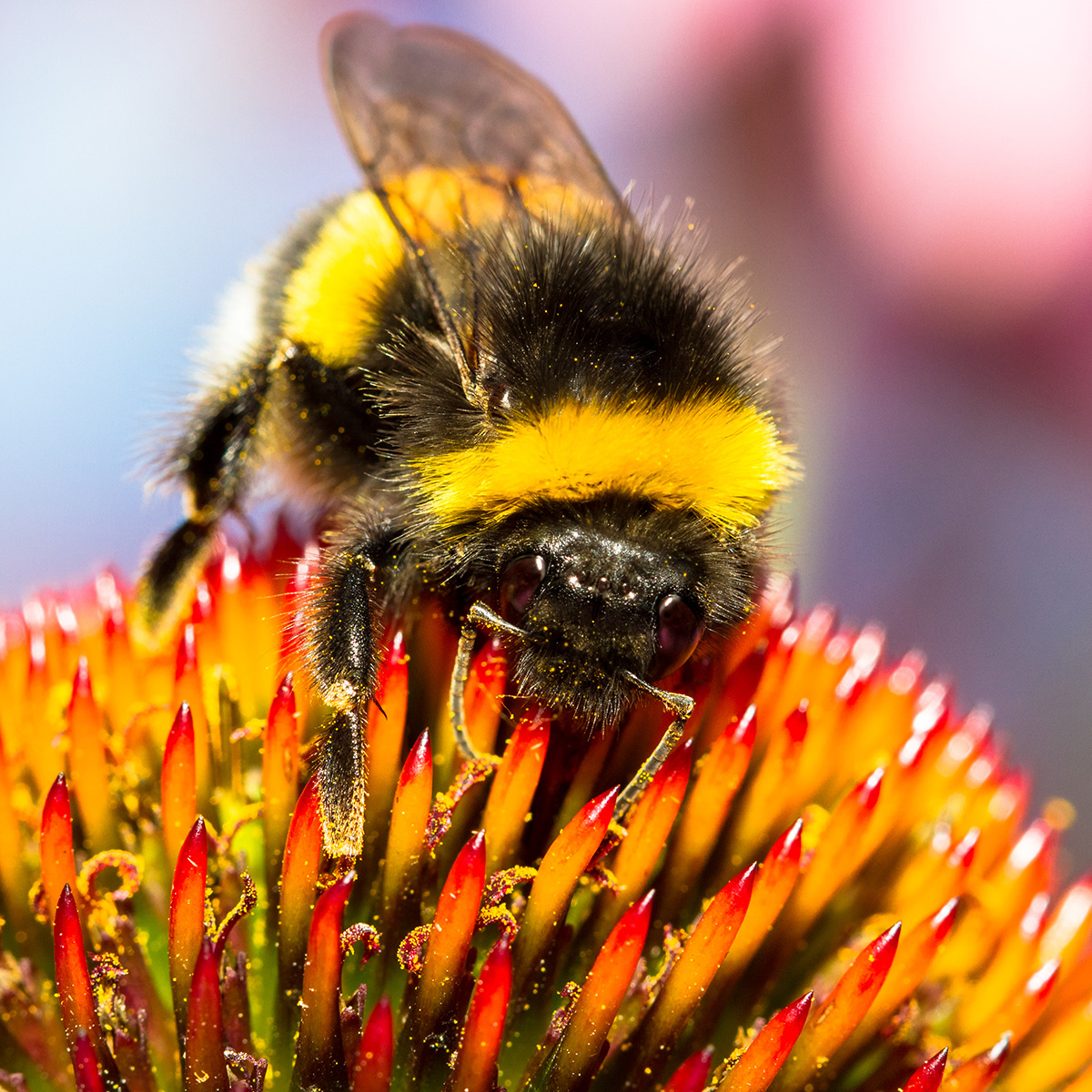
Bumblebees use a technique called ‘buzz pollination’ (or sonication) that no other commercially available pollinator can match.
When a bumblebee lands on a flower, it grabs onto the anthers and vibrates its flight muscles at exactly the right frequency to shake pollen loose — in a single visit. A honeybee, by comparison, may need to visit the same flower 7 to 10 times before it is fully pollinated.
This is particularly important for crops like tomatoes, capsicum, eggplant, kiwifruit and blueberries — all of which require vibration to release their pollen effectively. Without buzz pollination, these crops consistently underperform, even when other pollinators are present.
Buzz pollination produces measurably better fruit set, larger fruit, and a higher proportion of Class 1 quality produce — which is why commercial growers have adopted bumblebee hives as standard practice in greenhouse tomato and capsicum production worldwide.
Choose the Right Bee Hive
Zonda offers bee hives for every situation — from a small home garden to a large commercial greenhouse or outdoor cropping area. All hives are self-contained, require no maintenance, and arrive ready to place and open.
Home Garden Bee Hive
For home gardeners and small backyards

Greenhouse Hive
For greenhouses, tunnels and covered crops

Outdoor Crop Hive
For outdoor orchards and open-field crops
Pollinate & Protect
Ready to improve your pollination? Order online for overnight delivery across New Zealand, or get in touch with our team.
Frequently Asked Questions
Do I need a bumblebee hive if I already have honeybees?
Bumblebees and honeybees complement each other well. For crops that require buzz pollination — such as tomatoes, capsicum, kiwifruit and blueberries — honeybees cannot provide the sonication needed to release pollen effectively. Adding a bumblebee hive significantly improves fruit set on these crops even when honeybees are present.
How quickly will I notice a difference?
Most gardeners and growers notice improved fruit set within the first week of placing a bumblebee hive. As more flowers are successfully pollinated, fruit size and crop uniformity improve over the season.
Are bumblebees safe around children and pets?
Yes. Bumblebees are virtually never aggressive and will only sting if directly handled or trapped. They are widely considered the safest commercial bee to work around and are suitable for use in home gardens, schools and public spaces.
How is a bumblebee hive different from a honey beehive?
Bumblebee hives are compact, self-contained, and require no maintenance. They don’t produce honey. The colony lives, pollinates and naturally dies off over four to six weeks. There’s no ongoing management, no extraction, and no special equipment needed.
What crops benefit most from bumblebee pollination?
Buzz-pollinated crops benefit the most: tomatoes, capsicum, eggplant, kiwifruit and blueberries. Bumblebees are also highly effective for strawberries, raspberries, courgettes, cucumbers, apple, pear, cherry and other stonefruit. For a full crop list, visit our Bee Hives for Crops page.
Can I use a bumblebee hive inside a greenhouse or tunnel house?
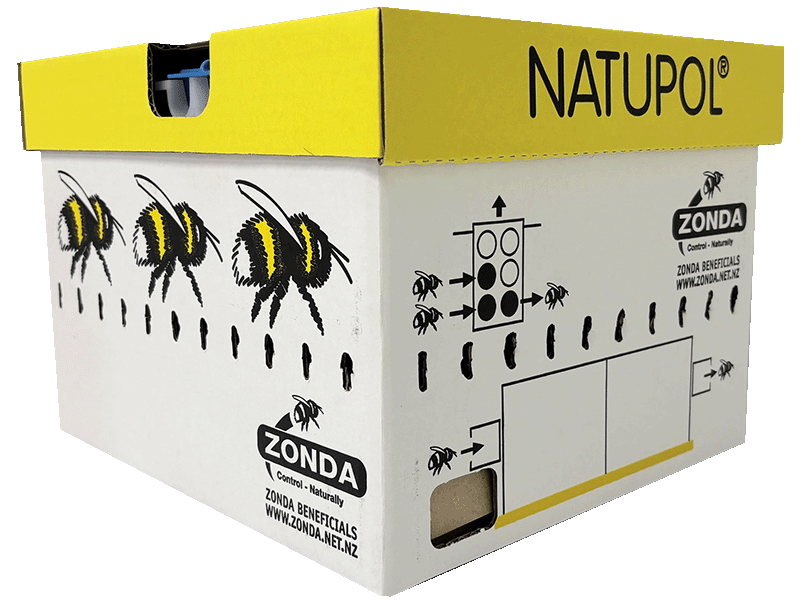
Yes — Zonda bumblebee hives are designed for use in greenhouses, tunnel houses, and covered crops. They are self-contained and do not need access to the outdoors to function. The built-in slider door allows you to control bee movement when needed.
Where can I buy a bumblebee hive in New Zealand?
Zonda bumblebee hives are available to order online and delivered by overnight courier throughout New Zealand. Order from our shop, or contact us for commercial volumes and multi-site supply.