
Bumblebee Pollination
for Outdoor Crops
Bumblebee pollination helps ensure reliable fruit set, better crop quality, and consistent yields for outdoor growing environments.

Many horticultural crops grown outdoors rely on insect pollination to achieve successful fruit set and consistent crop production. During flowering, pollen must be transferred between flowers for fertilisation to occur and fruit to develop.
In outdoor cropping systems, natural pollinators such as honeybees and wild insects often provide a significant proportion of this pollination activity. However, environmental conditions, crop structure and pollinator availability can influence how effectively pollen is transferred during the flowering period.
Managed bumblebee hives provide additional, consistent pollination where it’s needed — supporting better fruit set and crop uniformity across a range of outdoor horticultural crops.
Why Pollination is Important for Outdoor Crops
Successful pollination is essential for fruit and berry crops — allowing pollen to reach the stigma, enabling fertilisation and fruit development. Without it, crops can experience reduced fruit set, uneven development and smaller fruit, directly affecting yield and harvest quality.
In outdoor production, pollination success depends on pollinator activity, weather and compatible pollen availability. Supporting effective pollination during flowering helps maintain consistent yields and fruit quality.
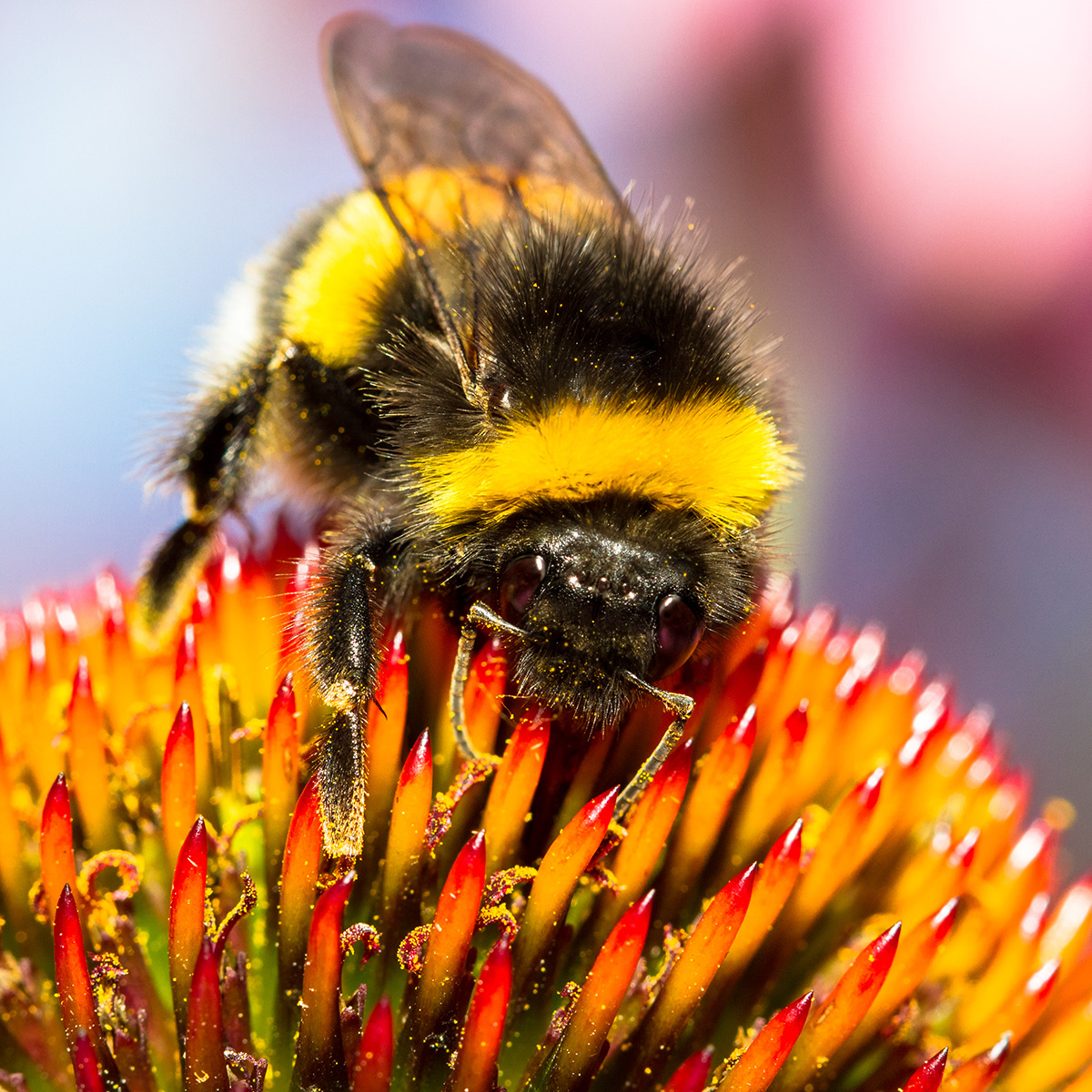
Outdoor Crops That Benefit from Bumblebee Pollination
Bumblebees are used in a range of outdoor horticultural crops where insect pollination contributes to successful fruit set. Research has shown that bumblebees can be highly effective pollinators in several crop systems.
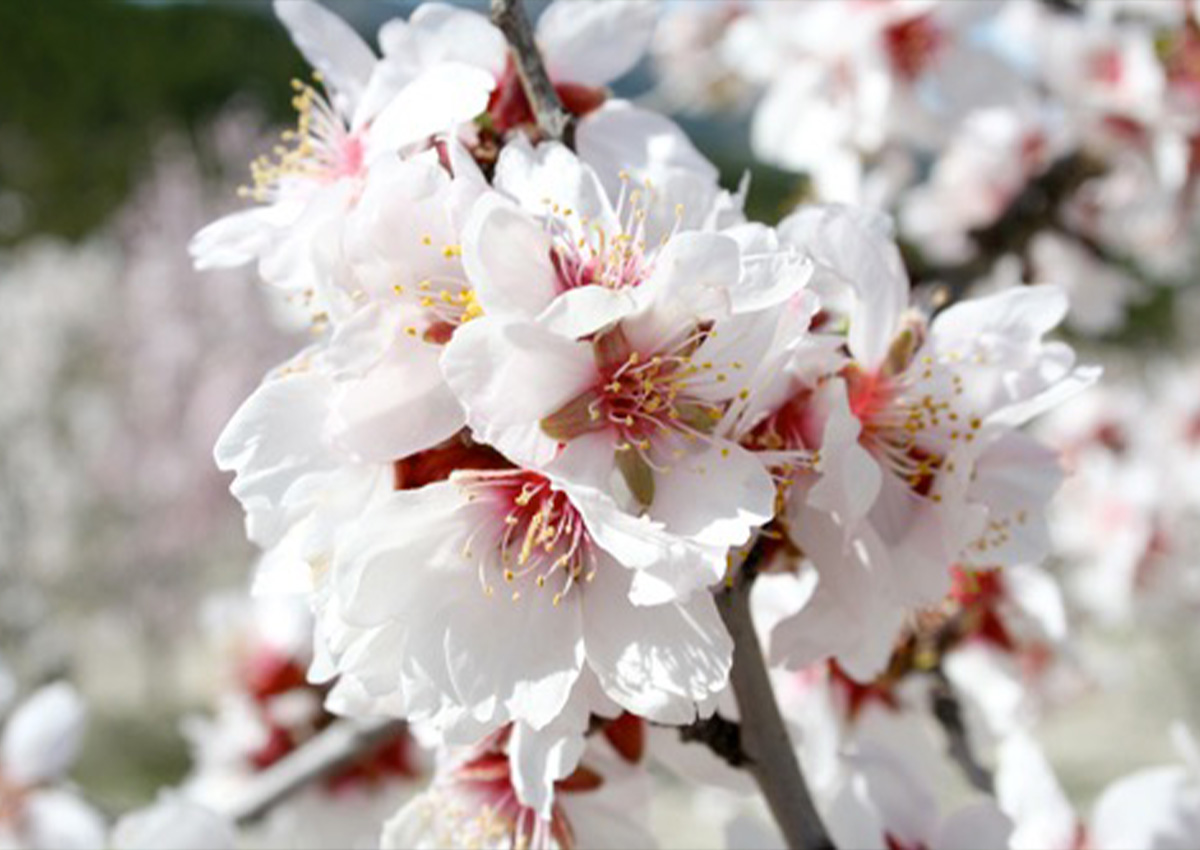
Almond Pollination
Prunus Dulcis

Apple Pollination
Malus Domestica
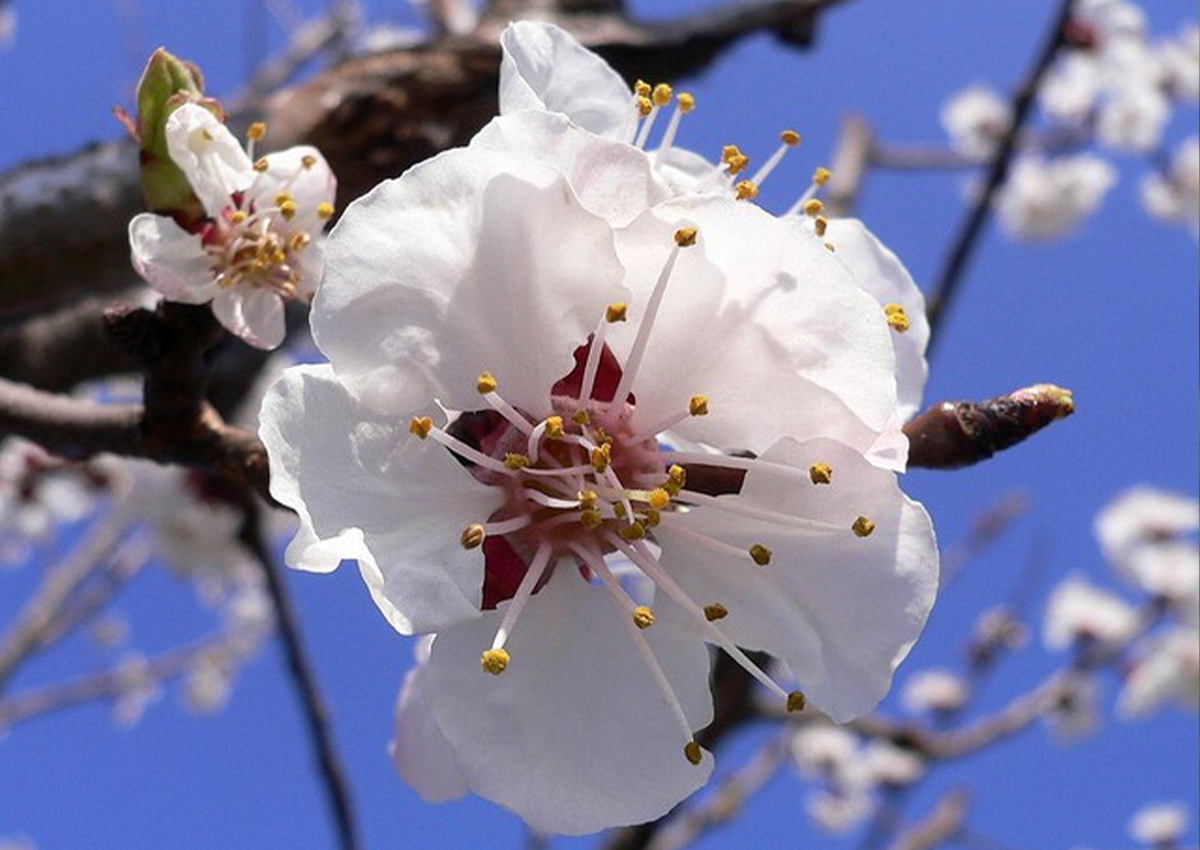
Apricot Pollination
Prunus Armenica
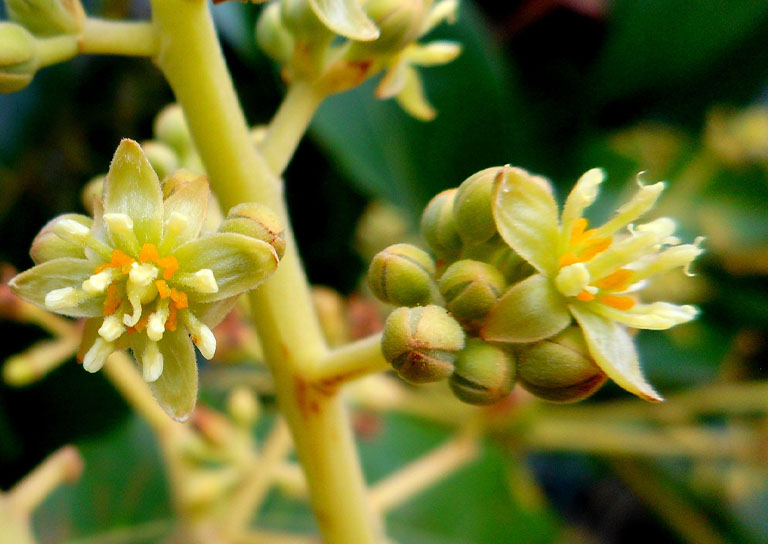
Avocado Pollination
Persea Americana
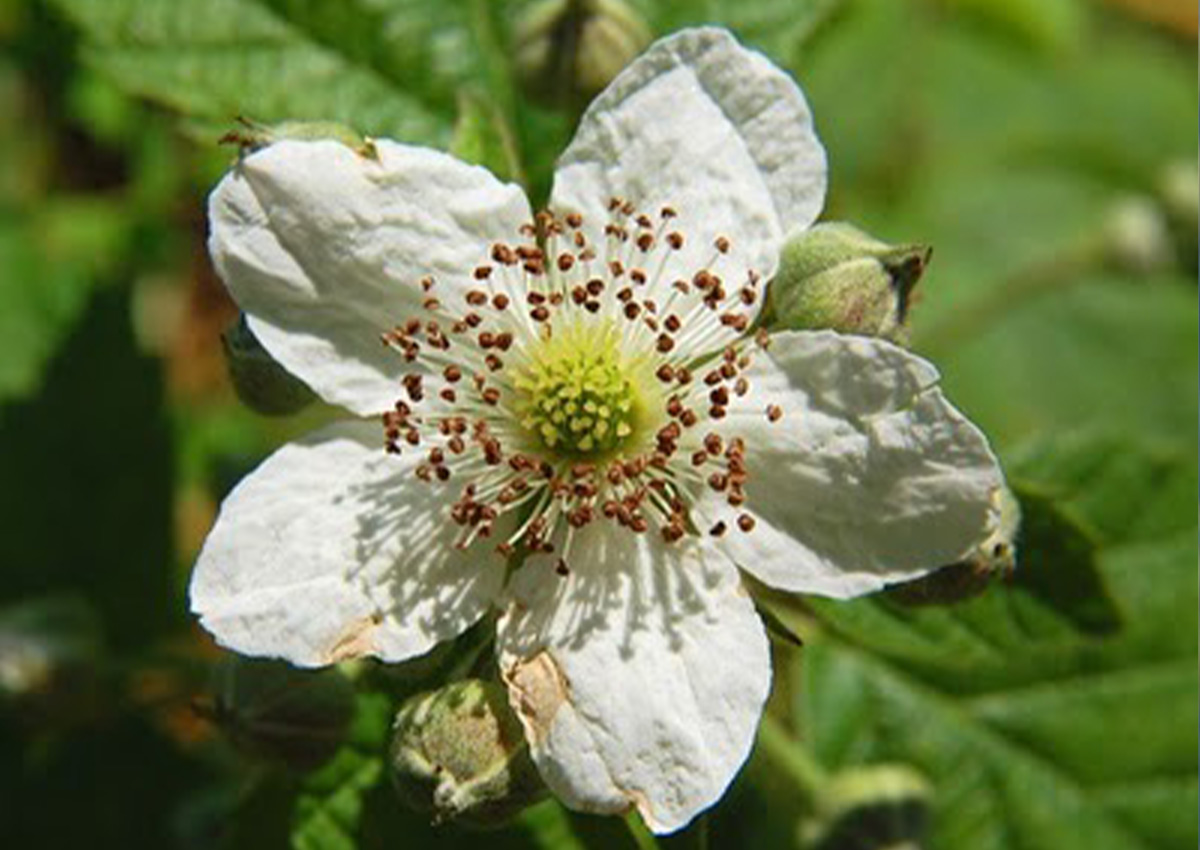
Blackberry Pollination
Rubus Fruiticosus
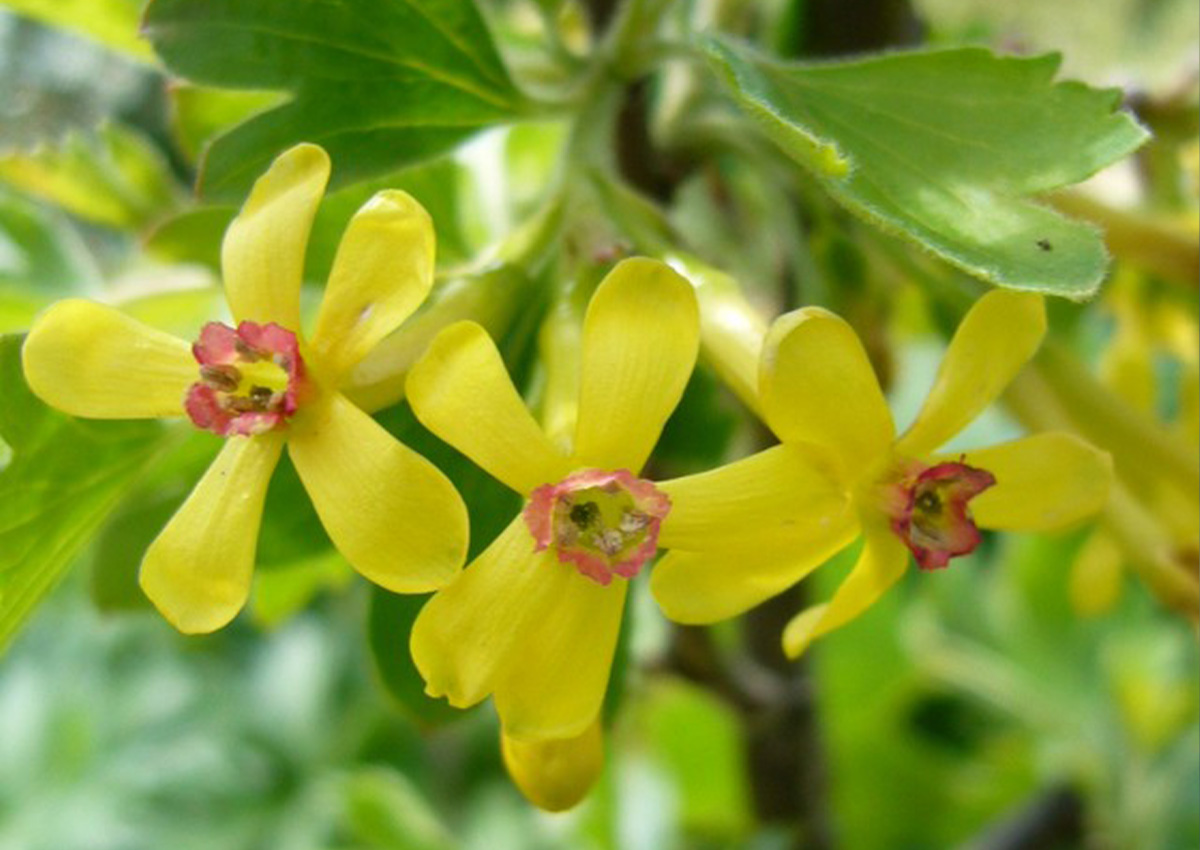
Blackcurrant Pollination
Ribes Nigrum
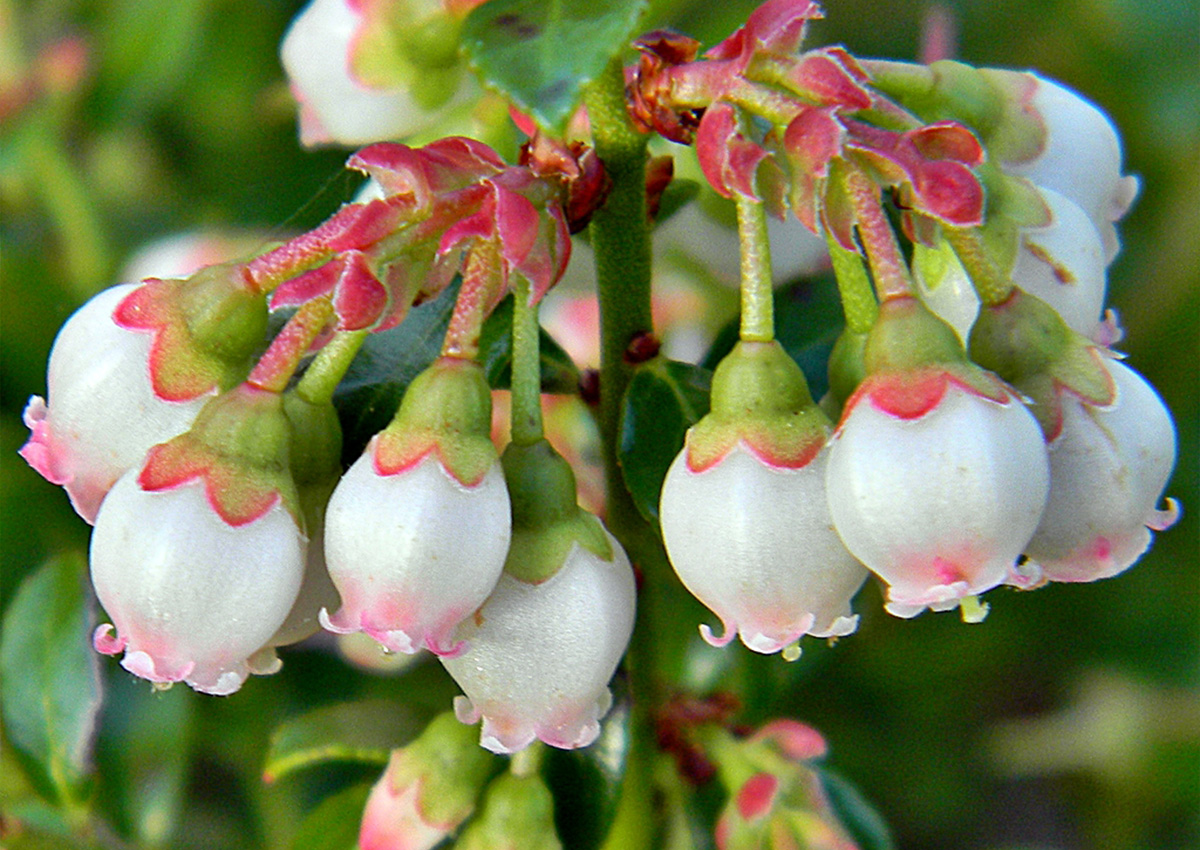
Blueberry Pollination
Vaccinium Corymbosum
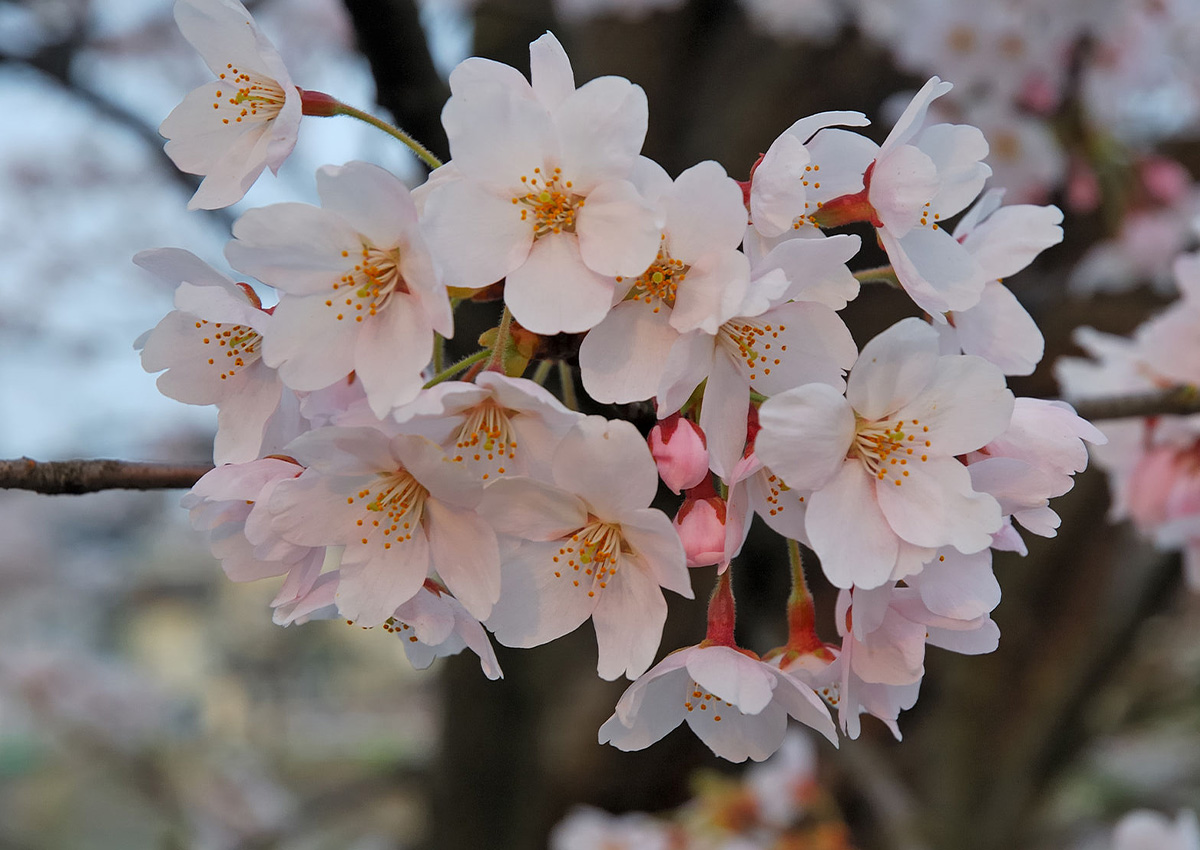
Cherry Pollination
Prunus Cerasus
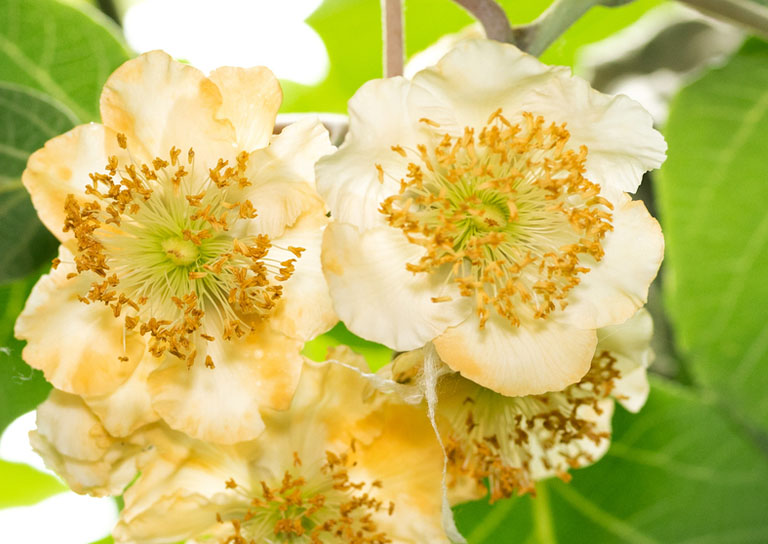
Kiwifruit Pollination
Actinidia Deliciosa
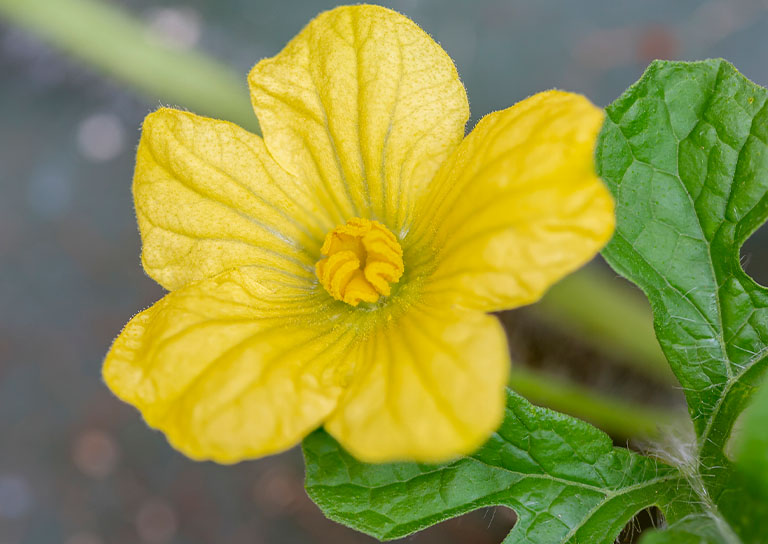
Melon & Watermelon Pollination
Cucumis Melo & Citrullus Lanatus
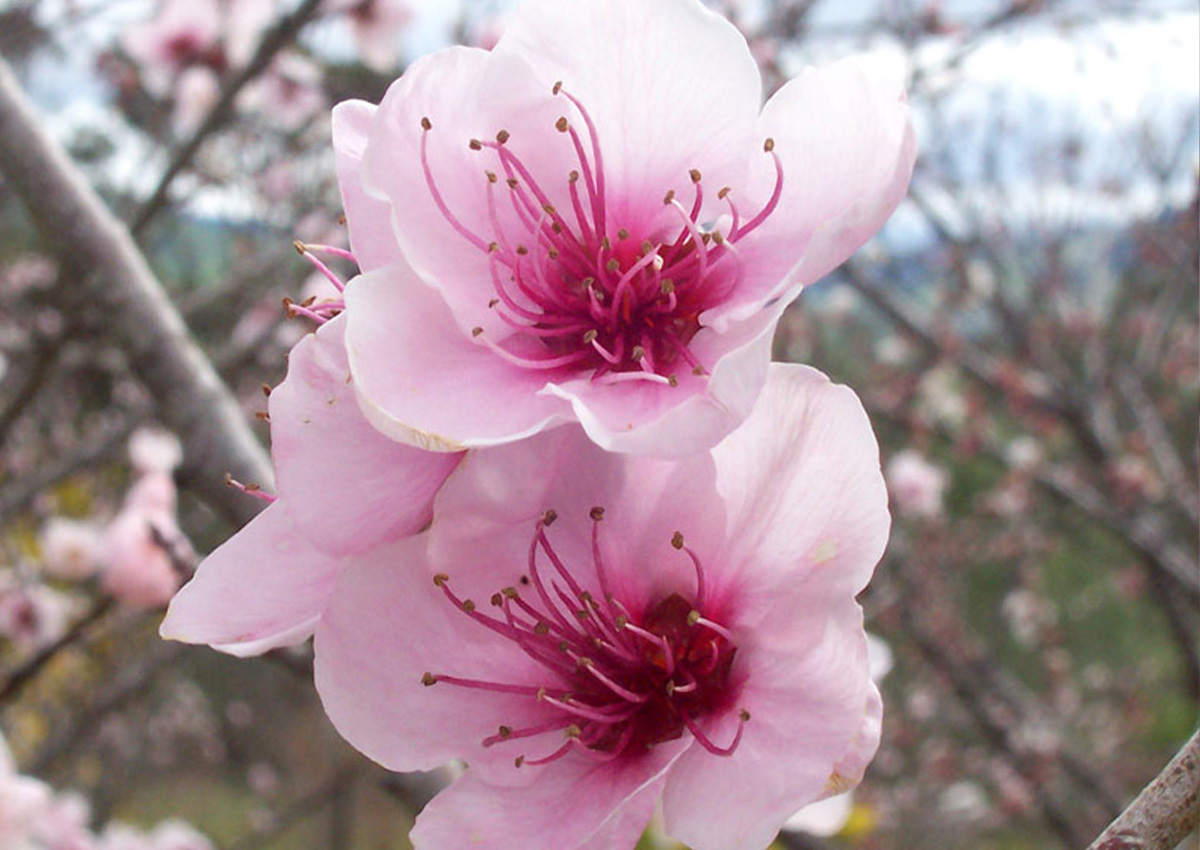
Peach Pollination
Prunus Persica
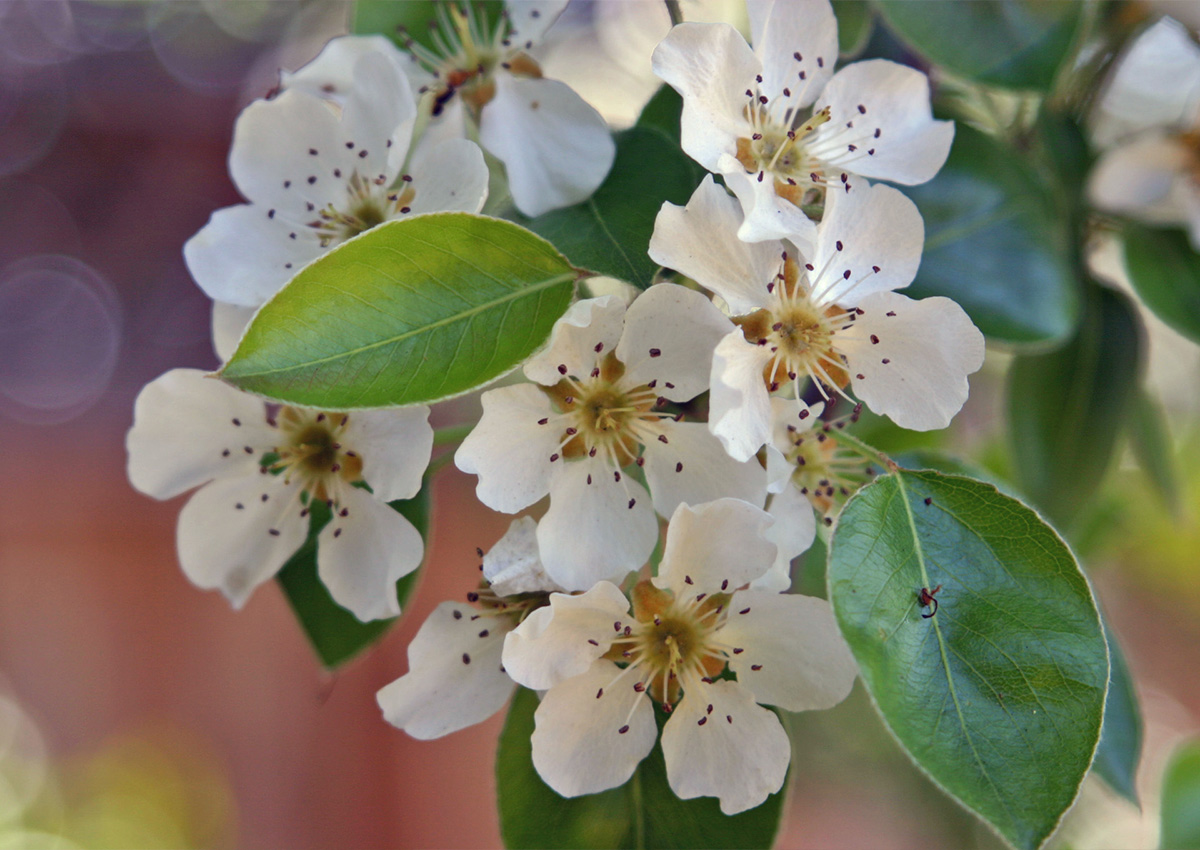
Pear Pollination
Pyrus Communis
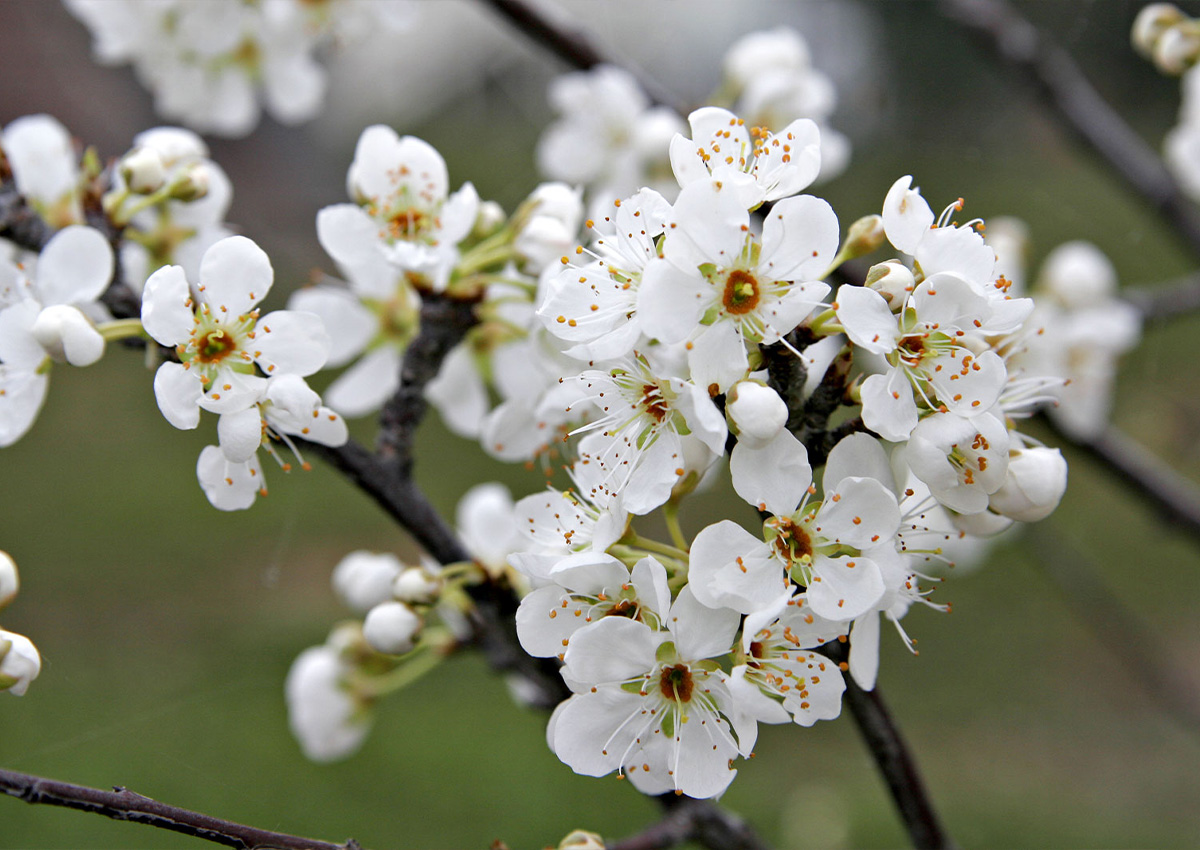
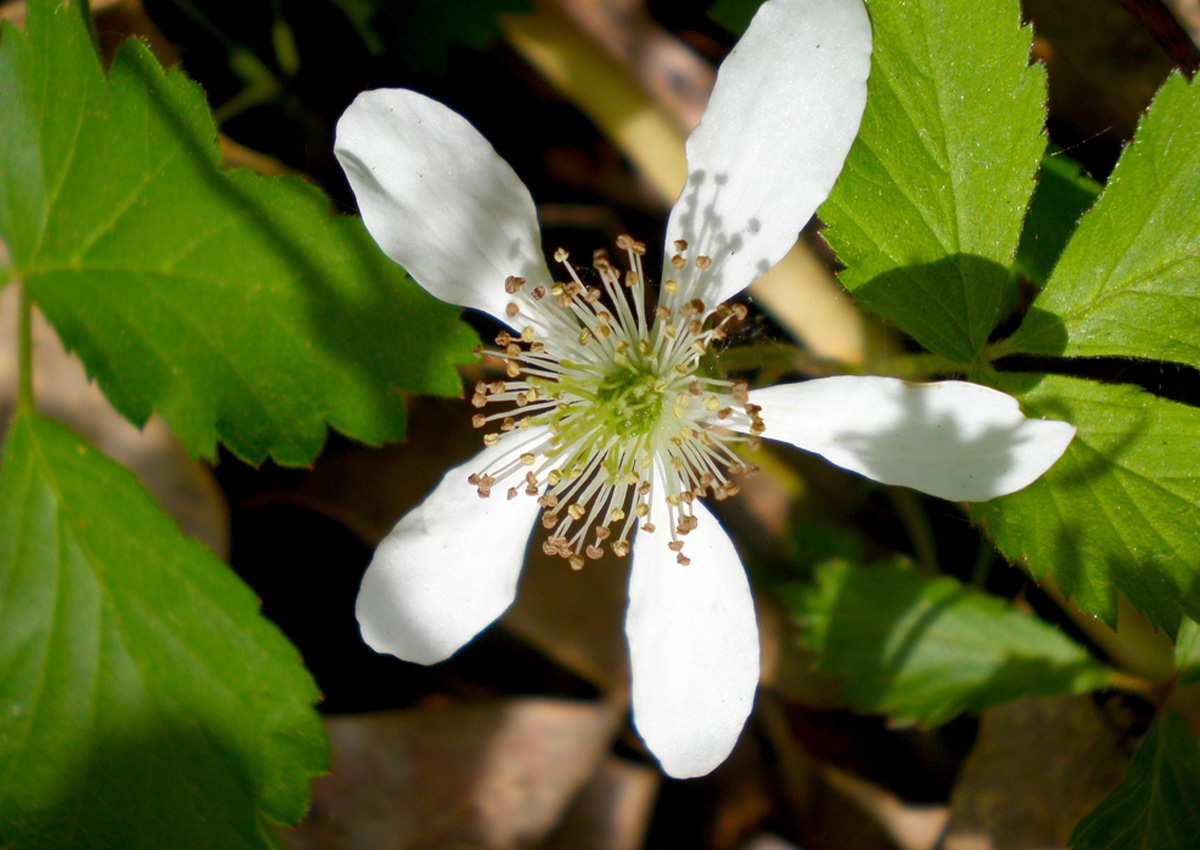
Bumblebee Hives for Outdoor Crop Pollination
Zonda outdoor hives are designed for open-field crops and protected outdoor systems such as netted orchards and tunnel houses.
Each hive contains around 80–100 worker bees and a queen, providing active pollination throughout the flowering period — typically four weeks under normal conditions.
Hives are supplied in a waxed cardboard box designed for outdoor use, with insulation or ventilation included as needed to maintain suitable colony conditions.
Hive Sizes for Outdoor Crops
Zonda outdoor hives are available in three sizes to match different areas:
Small Hive
up to 750 m²
Contains approximately 50 worker bees.

Medium Hive
750 m² to 1100 m²
Contains approximately 50–70 worker bees.

Large Hive
1100 m² to 1500 m²
Contains approximately 80–100 worker bees.
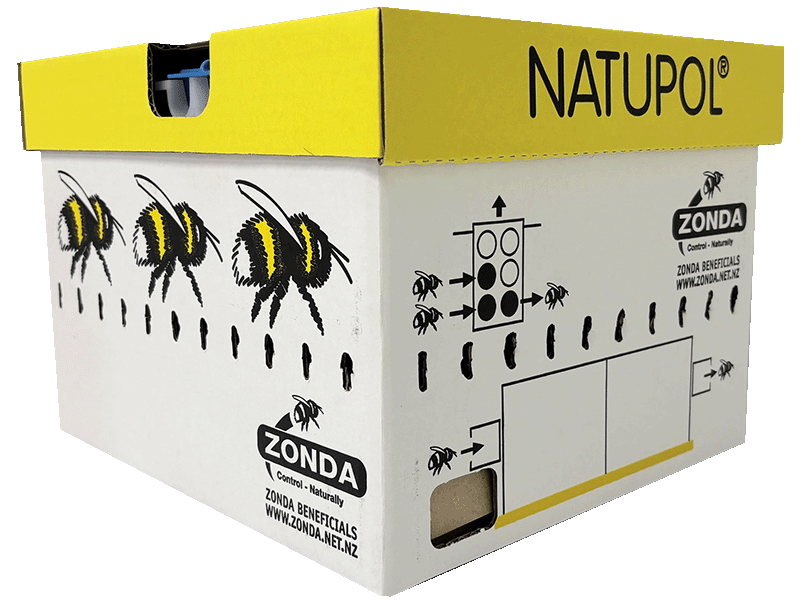
Selecting an appropriate hive size helps ensure adequate pollination activity across the crop canopy throughout the flowering period.