
Bumblebee Pollination
for Greenhouse Crops
Bumblebee pollination helps ensure reliable fruit set, better crop quality, and consistent yields in greenhouse growing environments.
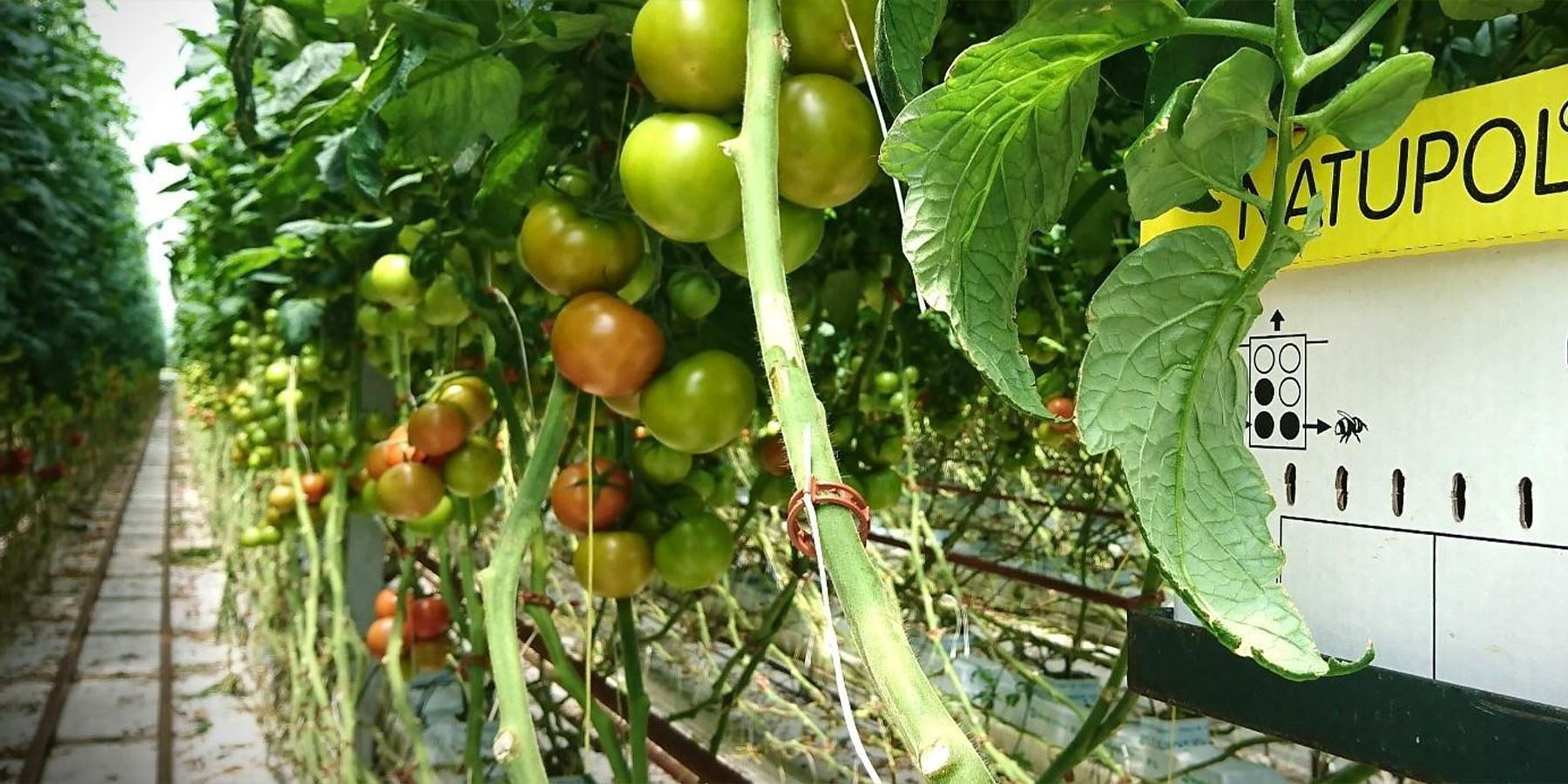
Many horticultural crops grown in greenhouse environments rely on insect pollination to achieve successful fruit set and consistent crop production. During the flowering period, pollen must be transferred between flowers for fertilisation to occur and fruit to develop.
In protected cropping systems such as glasshouses, tunnel houses and other covered growing environments, natural pollinators are often limited. Managed bumblebee colonies are widely used to provide reliable pollination activity within greenhouse crops.
Why Pollination is Important for Greenhouse Crops
Pollination is a critical biological process for many fruiting crops grown under protection. Successful pollination occurs when pollen is transferred from the male structures of the flower (anthers) to the female structure (stigma), enabling fertilisation and fruit development.
When pollination levels are insufficient, crops may experience reduced fruit set, uneven fruit development or smaller fruit size. These outcomes can affect both crop yield and harvest quality.
In greenhouse production systems, environmental conditions such as limited airflow, controlled climates and restricted access for natural pollinators can influence pollination success. Introducing managed pollinators helps ensure reliable pollen transfer during the flowering period and supports stable crop production.
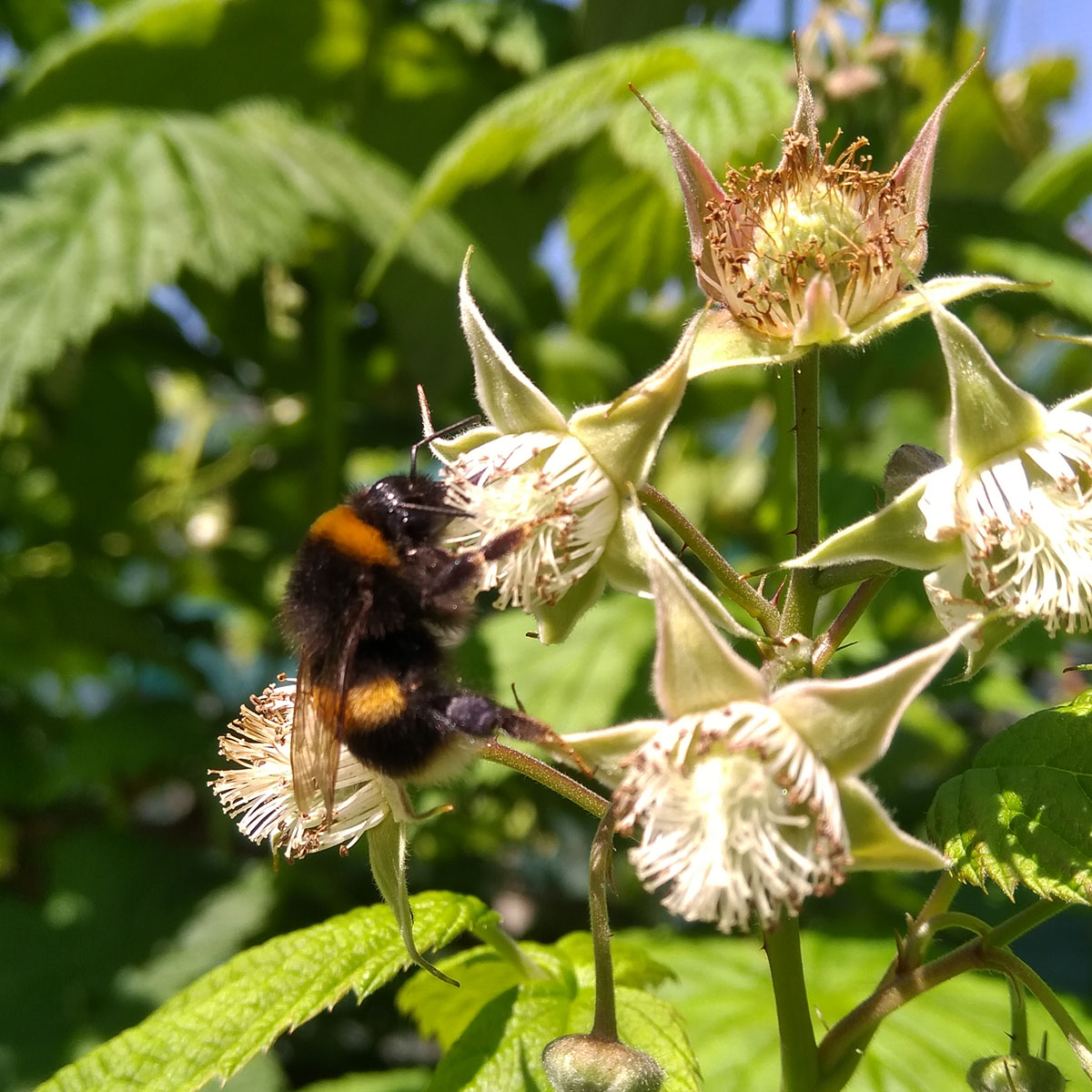
Greenhouse Crops That Benefit from Bumblebee Pollination
Bumblebees are widely used in greenhouse crop production because their natural foraging behaviour supports efficient pollen transfer between flowers. They are particularly effective in crops that benefit from vibration or frequent flower visitation.
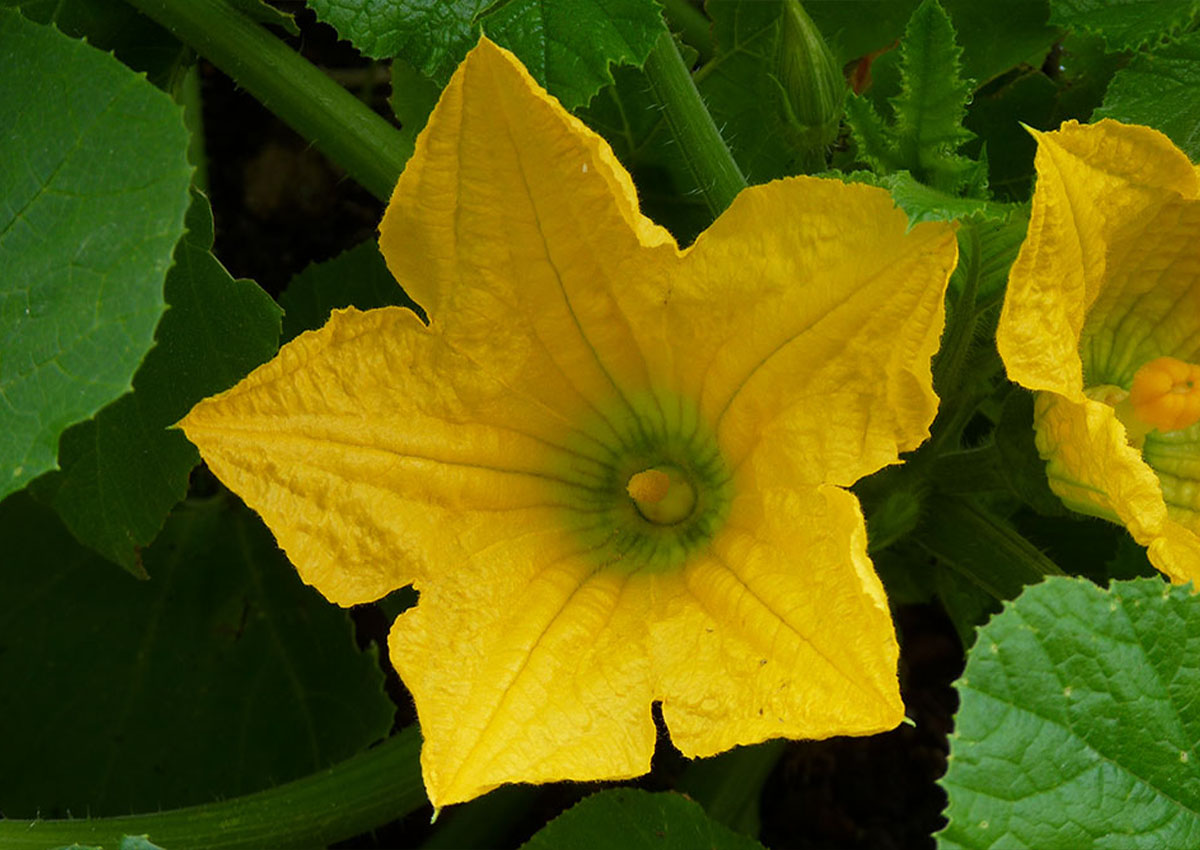
Courgette Pollination
Cucurbita Pepo
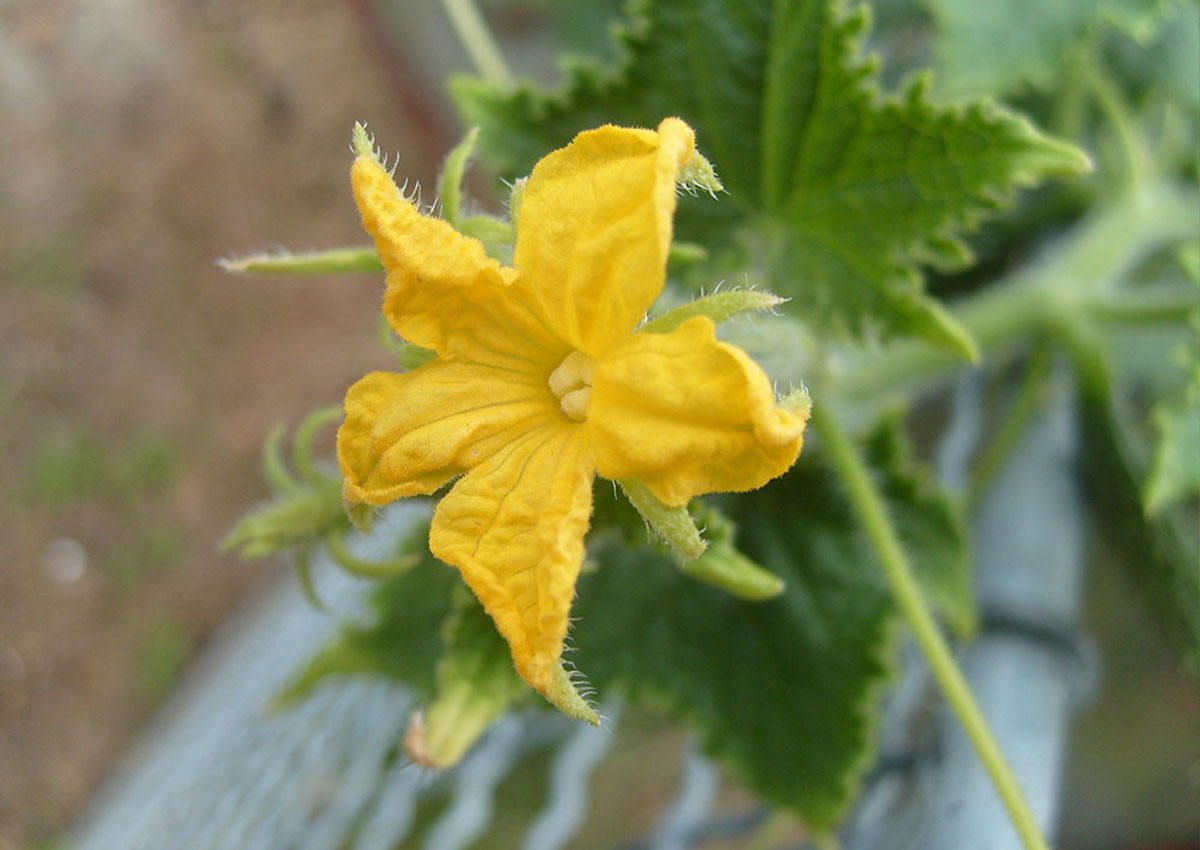
Cucumber Pollination
Cucumis Satiyus
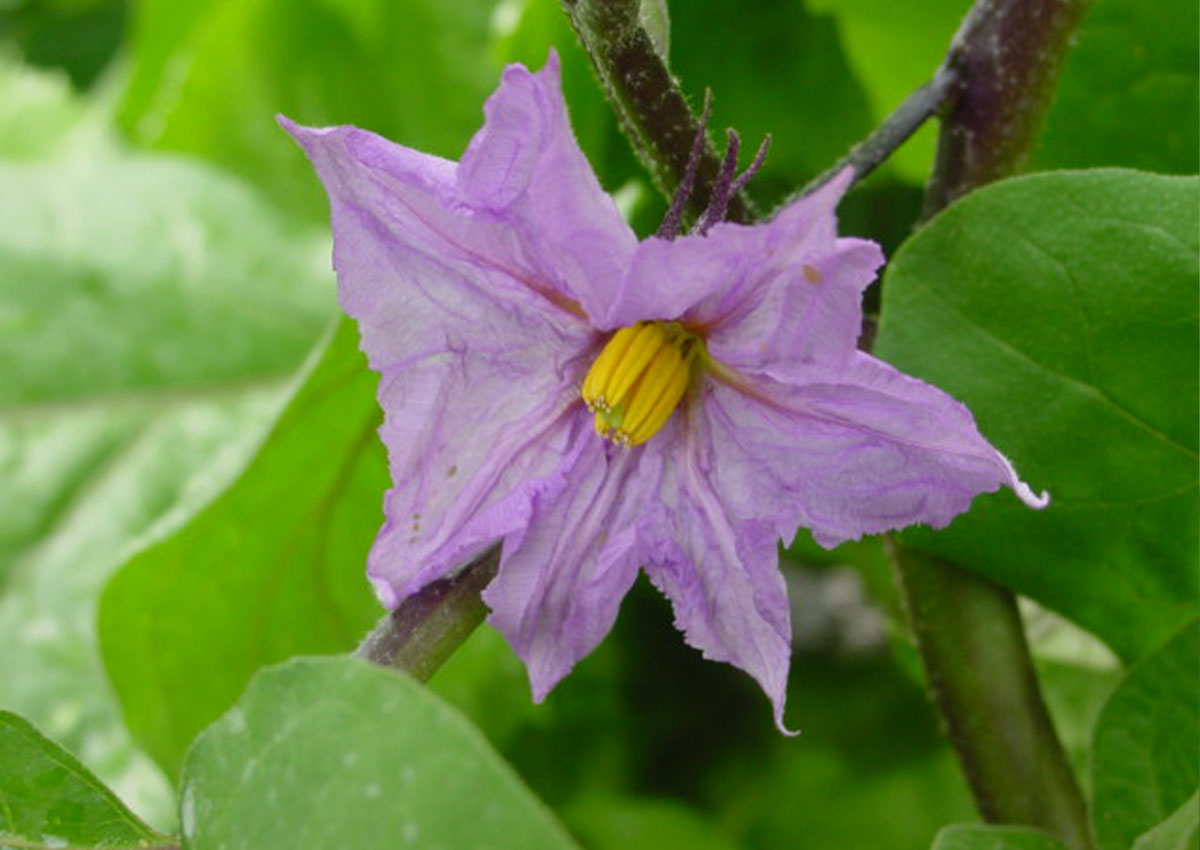
Eggplant Pollination
Solanum Melongena
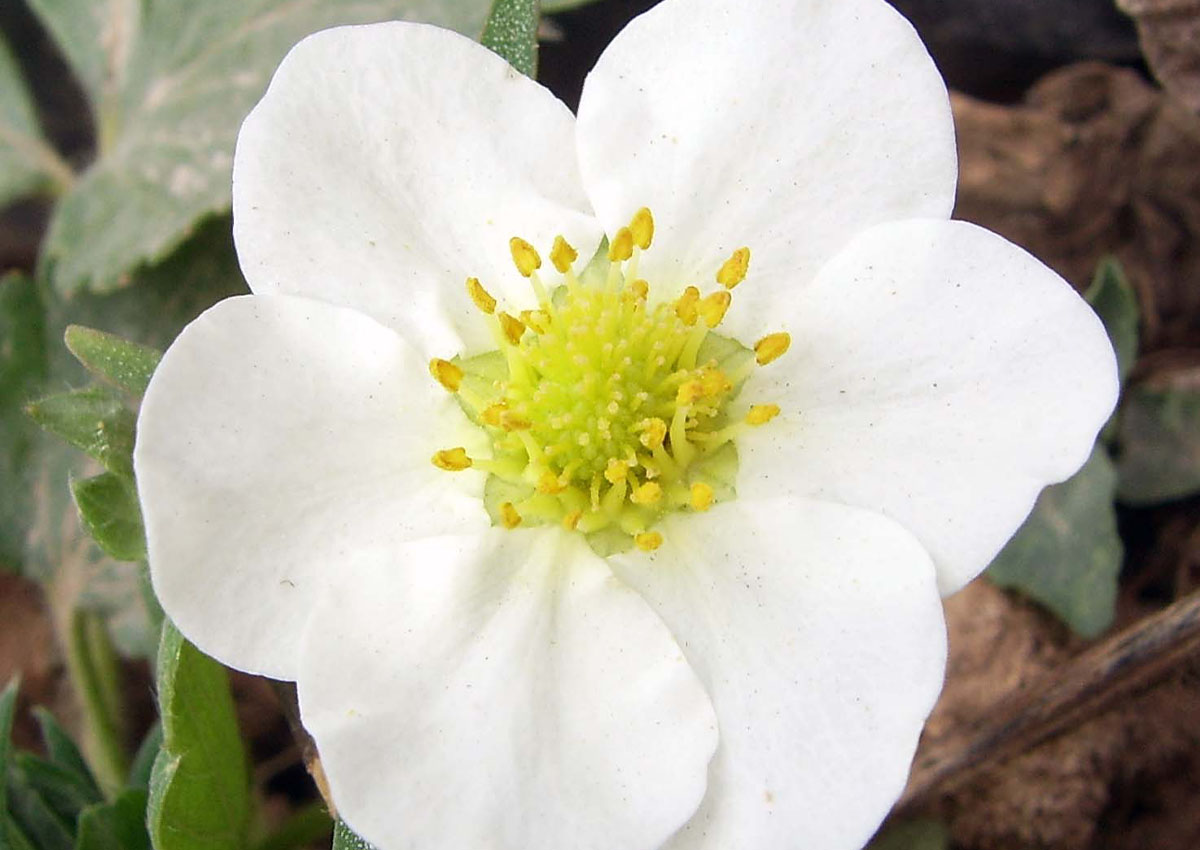
Strawberry Pollination
Fragaria x Ananassa
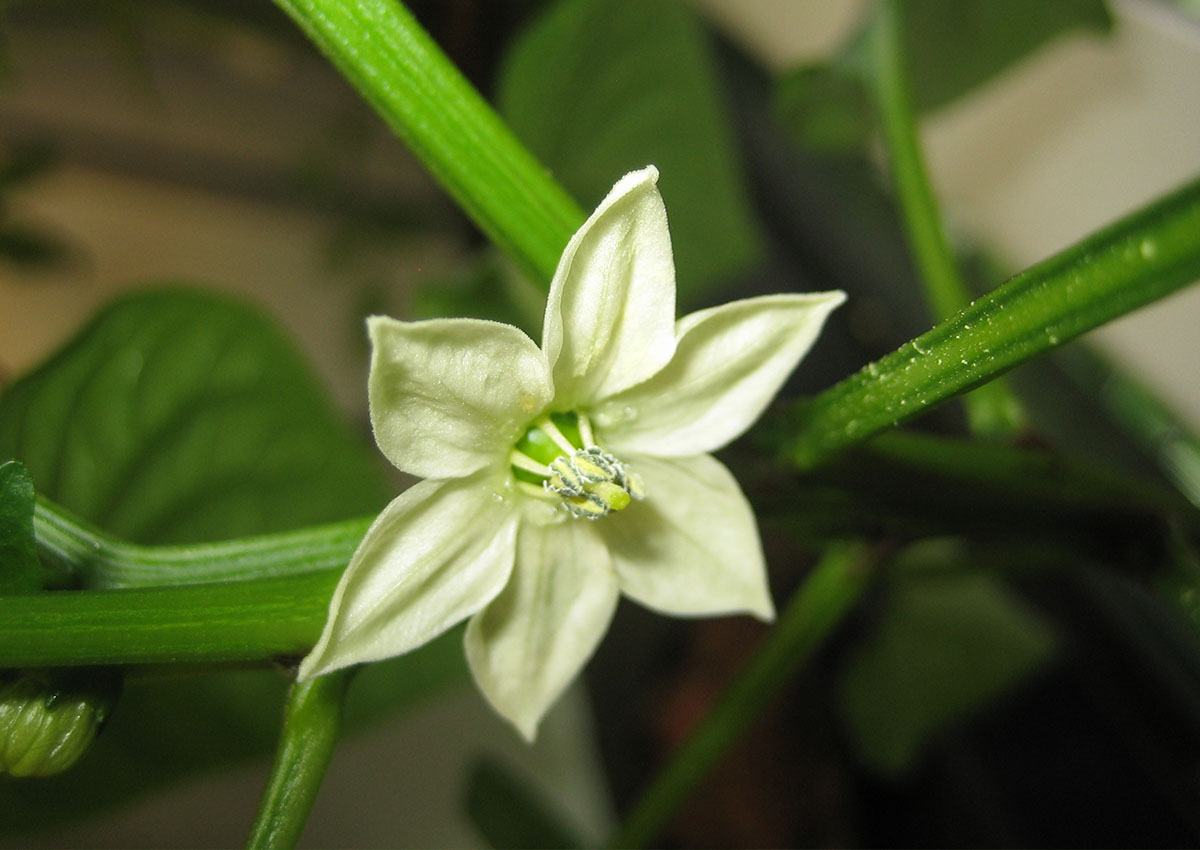
Sweet Pepper Pollination
Capsicum Annuum
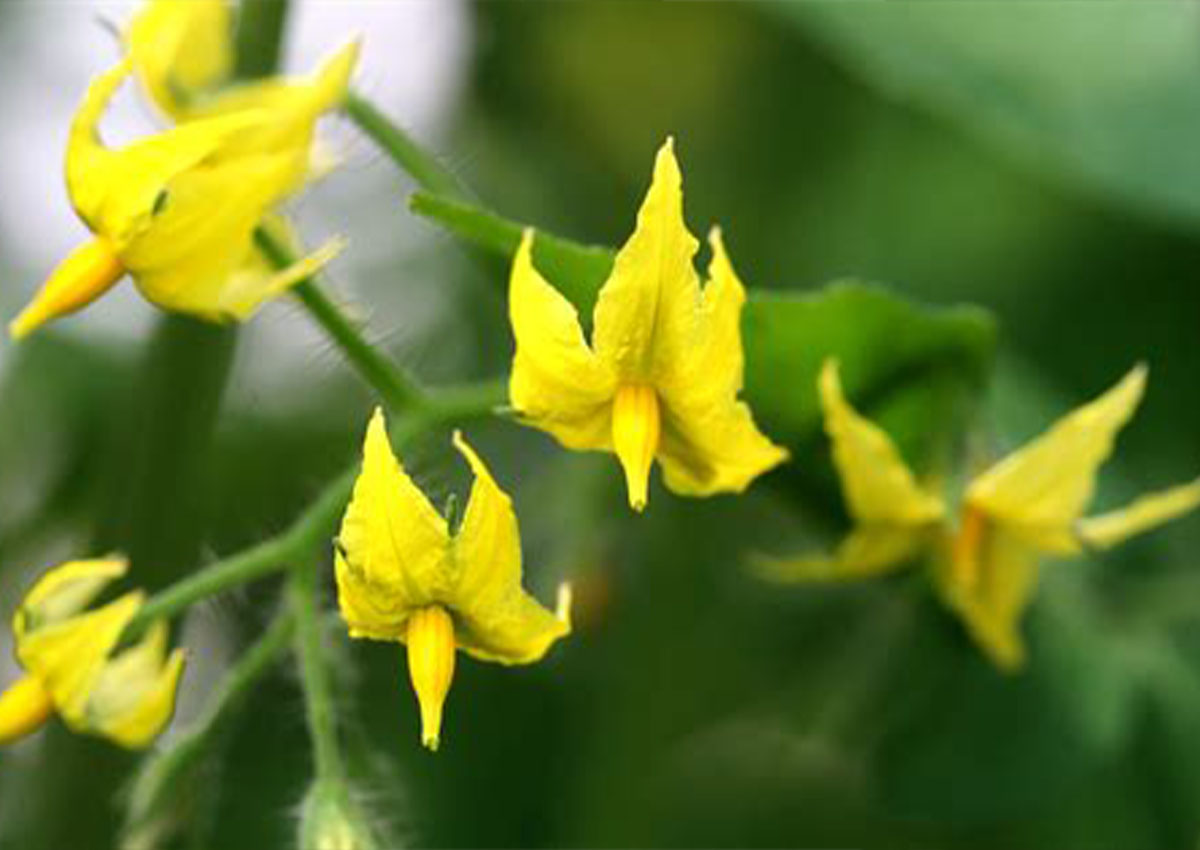
Tomato Pollination
Lycopersicon Esculentum
Bumblebee Hives for Greenhouse Crop Pollination
Bumblebee hives designed for greenhouse use provide a stable environment for the colony while allowing bees to forage throughout the crop canopy.
Zonda Beneficials hives are supplied as fully self-contained colonies, requiring minimal maintenance once placed within the greenhouse. Each hive arrives with a bladder of sugar syrup located in the base of the hive, providing a food source for the bees during the pollination period. The hive does not require feeding or cleaning and can be placed directly in a suitable location within the crop.
An easy-to-use slider door allows growers to control the movement of the bees when required. The hive can also be temporarily closed and relocated if necessary, for example when moving colonies within the greenhouse or during crop management activities.
All colonies are supplied with the queen and worker bees, providing active pollination during the flowering period. Under normal conditions, colonies typically remain productive for approximately four to six weeks, depending on crop conditions and colony performance.
Hive Sizes for Greenhouse Crops
Zonda greenhouse hives are available in three sizes to match different greenhouse areas:
Small Hive
up to 750 m²
Contains approximately 50 worker bees.

Medium Hive
750 m² to 1100 m²
Contains approximately 50–70 worker bees.

Large Hive
1100 m² to 1500 m²
Contains approximately 80–100 worker bees.
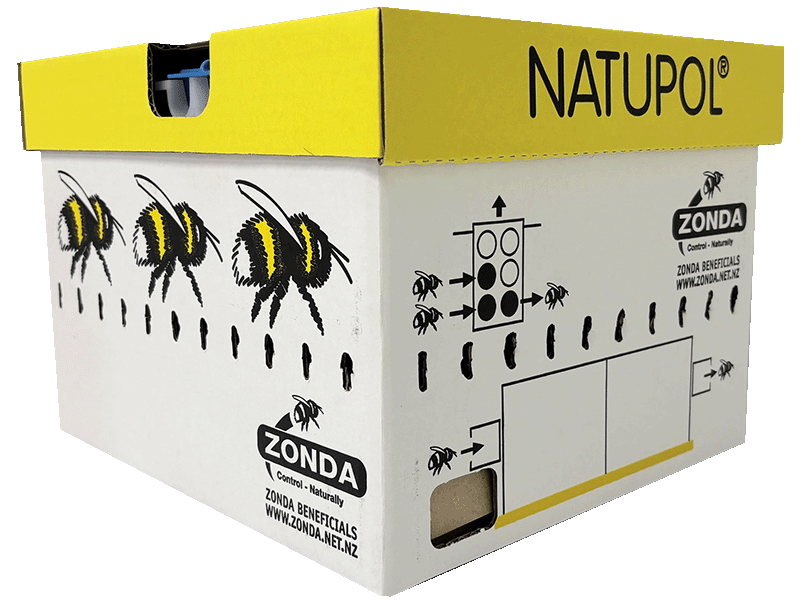
Selecting an appropriate hive size helps ensure adequate pollination activity across the crop canopy throughout the flowering period.